
Q&A with Dr. Martin Stallone, Chief Executive Healthcare Services Officer
August 06, 2026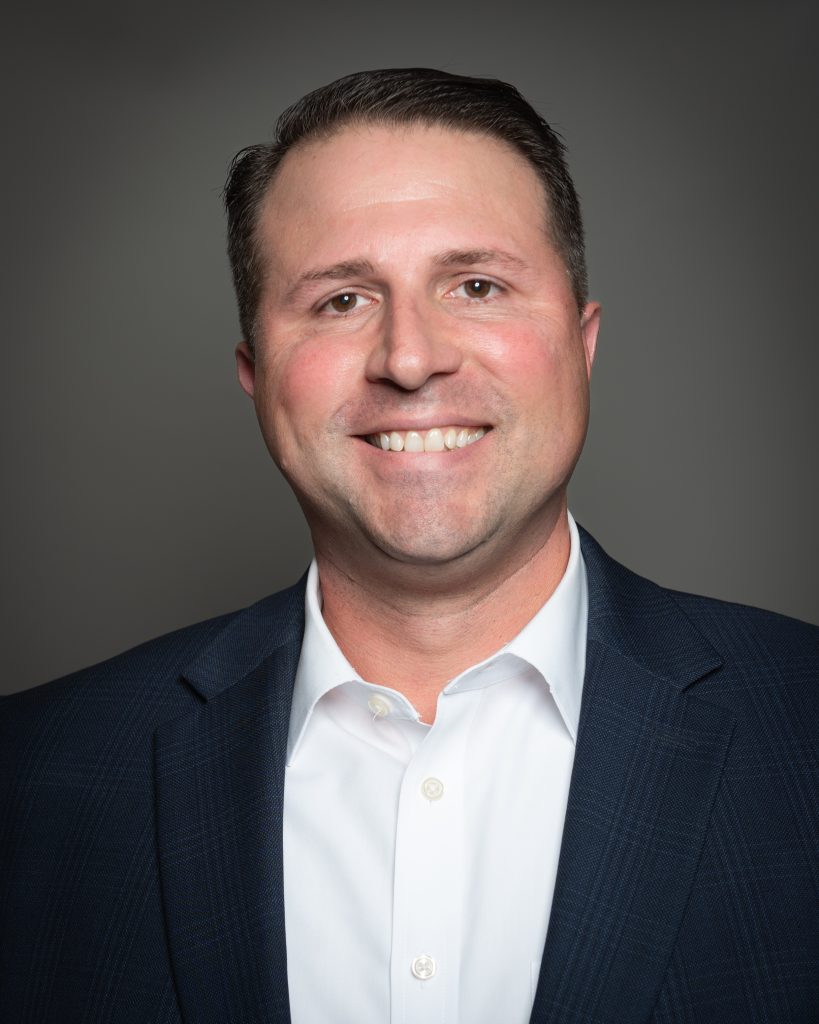
How Stronger Provider Partnerships Deliver Value for Your Employees
Healthcare costs continue to be one of the most significant challenges facing employers today. At the same time, employees are often left navigating a fragmented healthcare system that can be confusing and time-consuming. The result is not only higher costs, but also unnecessary stress, delayed care, and lost productivity due to time spent away from work.
The challenge isn’t a lack of good intentions. Part of the problem lies with a healthcare system that often rewards the number of services delivered rather than better integration, higher quality, and improved outcomes. Real progress will require us to better align incentives and ask a different question: How can each of us do more, together, to better serve the people who depend on us?
That’s why stronger partnerships between health plans and providers are so important. By working more closely with local physicians, hospitals, and health systems, we can help create a more connected healthcare experience – one that improves outcomes, reduces inefficiencies, and helps bend the cost curve.
A local approach matters because healthcare challenges – and the solutions that address them – are unique to each community. When health plans and providers are living the same reality as the people they serve, they have a greater sense of urgency and responsibility to work together to improve access and strengthen care coordination.
Few people understand this opportunity better than Dr. Martin Stallone. Having served as a practicing physician, a health system CEO, and now a health plan leader, Dr. Stallone has seen firsthand how fragmentation creates challenges not only for providers and patients, but also for the employers who fund healthcare benefits.
Below, he shares his perspective on how deeper collaboration between providers and health plans can help create a more seamless healthcare experience.
Q: How can our clients stand to benefit from stronger provider partnerships?
Dr. Martin Stallone: Here in Upstate New York, healthcare is viewed as a collection of separate touchpoints – primary care, specialists, hospitals, pharmacies, health plans. Because many of those parts aren’t connected, employees can find it difficult to get the care they need.
Stronger provider partnerships help create a more coordinated healthcare experience. When providers and health plans work together, employees are better supported throughout their care journey, which can improve outcomes and help control costs over time.
Q: How can deeper provider collaboration help bend the cost curve?
Dr. Martin Stallone: Locally based providers and health plans share many of the same goals: improving health outcomes, expanding access to care, and making healthcare more affordable. The challenge is that the healthcare system has traditionally rewarded treatment more than prevention, creating incentives that don’t always align around long-term health.
That’s where deeper collaboration can make a real difference. When providers and health plans work together, they can align incentives around keeping people healthy rather than simply treating illness after it occurs. The goal should be to reward preventing heart attacks, strokes, avoidable hospitalizations, and other costly health events – not just responding to them.
Some of the greatest opportunities to lower costs come from better coordination of care. When providers have timely access to data, insights, and support from health plans, they can make more informed decisions and help patients get the right care at the right time.
That leads to fewer avoidable emergency department visits, less duplicative testing, better management of chronic conditions, and fewer preventable hospitalizations. Ultimately, bending the cost curve isn’t about shifting costs; it’s about working together to deliver smarter, more coordinated care that improves outcomes while creating greater value for the communities we serve.
Q: What does this mean for employees and their day-to-day healthcare experience?
Dr. Martin Stallone: Dr. Martin Stallone: Employees want healthcare to be simple and easy to navigate. [Excellus BCBS/Univera] offers valuable support through comprehensive care management programs where we help members navigate the complex system but disconnects still exist. People may find themselves coordinating between multiple providers, repeating information, scheduling appointments across different systems, and trying to understand what steps to take next.
A more connected healthcare experience can improve the system itself by reducing those pain points. Ultimately, the easier healthcare is to access and understand, the more likely employees are to receive timely care and stay engaged.
Q: How can this impact workforce productivity and employee satisfaction?
Dr. Martin Stallone: Healthcare challenges don’t stay at home; they follow people into the workplace. When employees are dealing with unresolved health issues, it can affect their well-being, productivity, and job satisfaction.
When care is better coordinated, employees can spend less time managing healthcare logistics and more time focusing on their health and their work. Earlier intervention, stronger support, and better management of chronic conditions can help reduce avoidable absences and improve overall well-being. For employers, that means a healthier, more engaged workforce and a benefits experience that employees genuinely value.
Q: What does success look like for employers?
Dr. Martin Stallone: Success means slowing rising health care costs. It means employees receiving high-quality, coordinated care that helps them stay healthy and productive.
For employers, success is having confidence that their healthcare investment is delivering measurable value; not just through cost management, but through improved employee health.
No single organization can solve healthcare’s challenges alone. At Excellus BlueCross BlueShield, we are committed to building deeper relationships with providers across our communities to create a healthcare experience that is more affordable and easier to navigate. We invite you to join us as we work together to shape a more connected healthcare system for the future.