Covering GLP-1s With Confidence
July 01, 2026Balancing Cost and Member Safety
GLP-1 medications are established treatments for diabetes and are increasingly used for weight management. As use grows, employers are looking for ways to manage pharmacy costs while helping members access safe, appropriate care.
The way you cover these medications matters. Clear guidelines can help your employees get the care they need while helping you manage your pharmacy benefit over time.
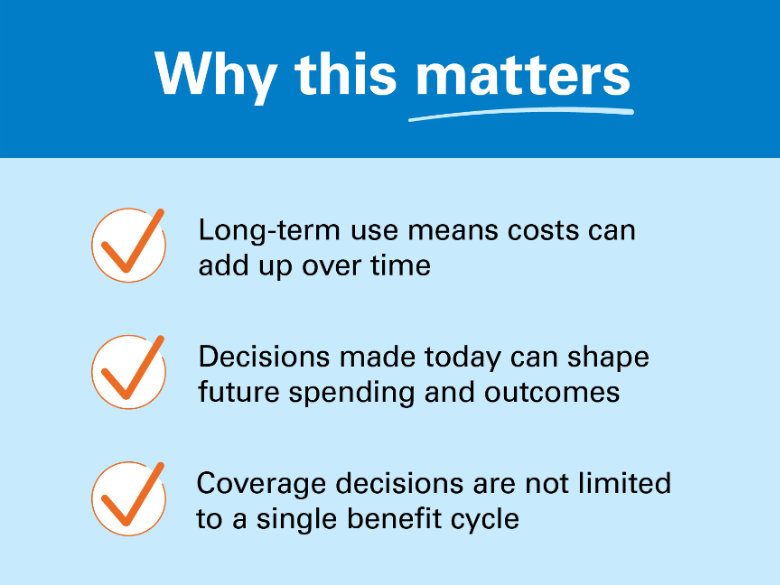
- Long-term use can increase pharmacy costs.
- Coverage decisions today can affect future affordability.
- A thoughtful approach can help support both your employees and your benefit plan.
Five Guardrails for Responsible GLP-1 Coverage
1. Start with clear clinical criteria
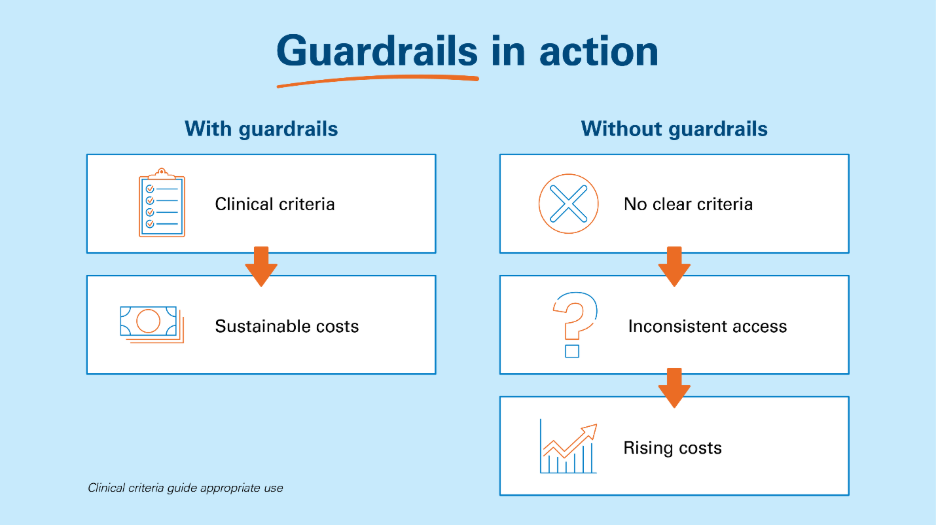
Clear clinical criteria help ensure GLP-1 medications are prescribed for members who are most likely to benefit. Prior authorization supports consistent use and helps reduce unnecessary costs.
Eligibility may include:
- BMI of 40 or greater
- BMI of 35-39.9 with one or more qualifying conditions, including:
- Metabolic syndrome
- Hypertension
- Dyslipidemia
- Cardiovascular disease
- Obstructive sleep apnea
Clinical criteria are reviewed as new evidence becomes available.
2. Pair medication with lifestyle support
Medication is one part of a successful weight management plan. Coverage may require participation in a qualified weight management program before approval.
Requirements may include:
- Enrollment in a comprehensive weight management program
- Documented participation for at least three consecutive months before approval
These programs help reinforce healthy habits that can improve long-term success.
3. Build a formulary that balances access and affordability
A well-designed formulary helps manage costs while giving members access to clinically appropriate medications.
Key strategies include:
- Lower-cost medications when clinically appropriate and preferred
- Clinical exception processes when medically necessary
- Quantity limits that support safe, appropriate use
4. Keep primary care at the center
Primary care providers play an important role in helping members use GLP-1 medications safely and effectively.
They help:
- Determine whether treatment is appropriate
- Monitor progress and side effects
- Coordinate care with specialists when needed
Keeping primary care at the center helps ensure treatment fits each member’s overall health needs.
5. Monitor for fraud, waste, and abuse
Monitoring prescribing patterns helps identify potential fraud, waste, and abuse before they drive up costs or put member safety at risk.
Monitoring may include:
- High-volume telehealth prescribing
- Out-of-state prescribing patterns
- Utilization trends outside established clinical guidelines

Results That Matter
Managing GLP-1 medications requires the right balance of access, affordability, and clinical oversight. Early results show that evidence-based coverage strategies can help employers manage pharmacy costs while supporting members who meet established clinical criteria.
A Balanced Path Forward
GLP-1 medications can improve health outcomes when they’re used appropriately. As demand continues to grow, employers need a coverage approach that balances access, affordability, and member safety.
Clear clinical guidelines, coordinated care, thoughtful formulary management, and ongoing oversight can help you manage today’s pharmacy costs while protecting your benefit plan for the future.